What Happens During a Dental Practice Tour?
Table of Contents
- 1 A Dental Practice Tour Is More Than an Office Visit
- 2 Where a Practice Tour Fits in a Dental Practice Sale
- 3 What Buyers Are Really Evaluating During a Tour
- 4 How a Tour Builds or Weakens Buyer Confidence
- 5 Timing, Qualification, Confidentiality, and Process Control
- 6 Common Seller Mistakes During a Tour
- 7 Why Practice Tours Matter More in Dental Transactions
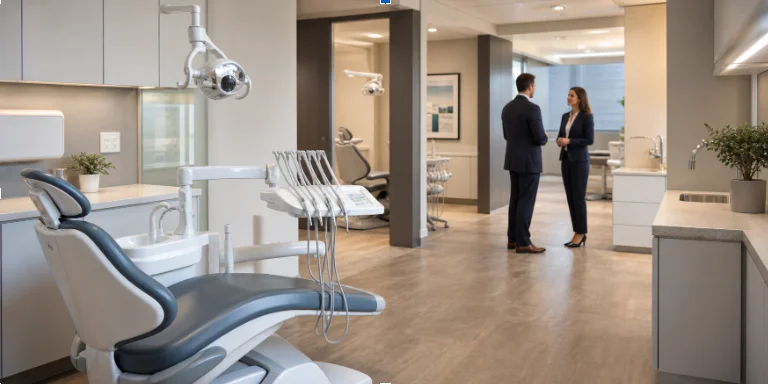
A dental practice tour is one of the first moments when a potential sale starts feeling real. By the time a buyer tours the office, they have usually reviewed the practice profile, asked preliminary questions, and developed enough interest to see the opportunity in person.
From the seller's side, the visit can seem straightforward. The buyer is coming to see the office, ask a few questions, and decide whether they like what they see. In practice, though, the tour carries more weight than that.
This is the point where buyer interest meets lived reality. The buyer is not only walking through the physical office but testing whether the practice, the seller, and the overall transition opportunity feel consistent with the story presented so far.
A dental practice tour is not a sales pitch. It is a confidence-building exercise that can strengthen momentum toward a Letter of Intent or weaken it surprisingly quickly.
A Dental Practice Tour Is More Than an Office Visit
At a high level, a practice tour is the first meaningful in-person meeting between the buyer and seller in the context of a transaction.
The buyer is usually not showing up out of casual curiosity. By this point, they have already seen enough on paper to believe the practice may be worth pursuing. The tour gives them a chance to confirm whether that early impression holds up once they are standing inside the office and speaking directly with the seller.
That is what makes the visit more important than many owners expect. A buyer is not only asking, "Do I like this office?" They are also asking whether the practice feels credible in person, whether it matches what they were told earlier, whether they can realistically see themselves owning and operating it, and whether the seller seems like someone they can work with through the rest of the process.
A dental practice tour is more about validation than presentation. The seller's goal is not to impress with a rehearsed performance but to help a serious buyer confirm that the opportunity is real enough, stable enough, and transferable enough to keep moving forward.
Where a Practice Tour Fits in a Dental Practice Sale
In most dental practice sales, the tour happens after early paper review and preliminary conversations, but before the process moves much deeper.
The exact timing can vary. Some processes are more structured than others, and different advisors may sequence things differently. The better rule is not to force a rigid pre-LOI or post-LOI statement but to plan the tour once the buyer is serious, qualified, and far enough along that the exposure makes sense.
The tour often acts as a decision gate in the sale process. Structurally, it sits between initial interest and deeper commitment. A buyer may like the production, collections, location, and general profile on paper. The tour is where they decide whether the opportunity still feels strong enough in person to justify moving toward an LOI, deeper diligence, financing work, and the time required to complete a transaction.
The seller is making a judgment at the same time. A practice owner is not only opening the office to be evaluated. They are also deciding whether the buyer feels credible, professional, and serious enough to continue with.
What Buyers Are Really Evaluating During a Dental Practice Tour
One of the most useful ways to understand a practice tour is to separate what the buyer literally sees from what the buyer is actually inferring.
The buyer may be looking at operatories, equipment, layout, storage areas, and the overall appearance of the office. Underneath those observations, they are forming a broader conclusion about how the practice has been run and what ownership would feel like after closing.
Office Condition and Upkeep
Buyers generally understand that not every practice on the market will look brand new. Many successful dental offices have older finishes, older equipment, or cosmetic elements that could be updated over time.
What buyers care about more is whether the office appears well cared for. Cleanliness, order, and general upkeep suggest discipline and pride of ownership. Visible neglect raises a different question: if basic things look overlooked, what else may have been overlooked behind the scenes?
Layout, Flow, and Physical Setup
The layout of the practice tells a buyer whether the space supports how they want to work.
Paint and decor can be changed. Physical layout is harder and more expensive to change. That is why buyers often place more weight on the number of operatories, the way the office flows, the room for growth, and whether the building supports the kind of practice they want to run over the next several years.
Equipment and Technology
Buyers are usually trying to understand what additional investment may be required after closing, whether the current equipment setup fits their clinical style, and whether the asking price already reflects the reality of the technology in place. Older equipment by itself does not usually kill a deal. But poorly maintained equipment or a setup that implies major near-term capital needs can change how the buyer views the opportunity.
Organization, Atmosphere, and General Feel
Even when a tour happens after hours, buyers still learn a great deal from the general feel of the office. They may not be watching live patient flow or staff interactions in real time, but they are still picking up signals. A well-organized office suggests management discipline. A cluttered or chaotic environment suggests the opposite. The buyer is asking whether this feels like a place they can step into with confidence.
The Seller Standing in Front of Them
The office is not the only thing being evaluated during the tour. The seller is as well. Buyers pay attention to how the seller communicates, whether difficult questions are handled openly, whether answers feel thoughtful and credible, and whether the seller comes across as prepared rather than rehearsed.
These impressions matter because the buyer is not only evaluating a practice. They are also evaluating what it may feel like to work with this person through the remainder of the transaction and the transition that follows.
Whether the Story Still Holds Up in Person
At the broadest level, the buyer is testing whether the practice they see in person feels consistent with the story they were given earlier.
That is where a mismatch becomes more damaging than imperfection. Most buyers can work through a practice that is older than ideal or in need of some updates. What creates more concern is learning something material during the tour that should have surfaced earlier.
For example, a buyer may discover that the office manager is a family member planning to retire after the sale, that a lead hygienist intends to leave after closing, or that the seller is personally producing so much hygiene that the buyer would need to hire quickly to maintain the same output. None of those issues automatically make a practice unsellable. But if they appear late, they can make the buyer question what else has not yet come into view.
How a Practice Tour Builds or Weakens Buyer Confidence
A strong practice tour usually does one thing very well: it reduces uncertainty.
The office feels consistent with expectations. The seller seems straightforward. The practice feels like something the buyer can step into without discovering a second, less attractive version of the business after closing. The buyer starts moving from "Do I believe this?" toward "How would I run this?"
That is often when momentum builds. A buyer who leaves with stronger conviction is more likely to keep moving toward an LOI and the next phase of the process with a clearer sense that the opportunity is worth pursuing. A weak tour tends to do the opposite. It introduces doubt faster than it resolves it.
Sometimes the cause is a visible mismatch. Sometimes it is a seller who seems evasive, rushed, or overly defensive. Sometimes it is the discovery of information that should have been disclosed earlier. In each case, the result is similar: the buyer becomes more cautious. They may ask more follow-up questions, take longer to move, or start reassessing value through a more skeptical lens.
That does not always mean the buyer walks away immediately. More often, the transaction simply gets heavier. The buyer may continue, but with less confidence and more scrutiny than they would have had after a stronger visit.
Timing, Qualification, Confidentiality, and Process Control During the Tour
One reason practice tours deserve more care than they sometimes get is that access itself has value. A seller is not just opening the door to confidential space. They are exposing the practice to a moment that can affect buyer confidence, transaction momentum, negotiating position, and, ultimately, the likelihood of a smooth closing.
That is why access should be tied to seriousness, not curiosity.
Before a tour is approved, the buyer should generally have reviewed enough information to show real interest, have their initial questions answered, and be far enough along financially and professionally that a tour is a logical next step rather than an exploratory outing.
Confidentiality remains important here, but it should be understood in the right way. Low-visibility handling helps protect staff, patients, and the day-to-day stability of the office. In many cases, that means scheduling the visit after hours or in another controlled format that limits unnecessary exposure. The exact logistics can vary. The underlying principle does not change: the visit should be handled in a disciplined way that gives the buyer enough access to evaluate the opportunity without creating more visibility than necessary.
Process control also matters in the conversation itself. A tour is usually not the right setting for full diligence, detailed negotiation, or off-the-cuff concessions. It is a high-level evaluation moment. Once the meeting starts drifting into pricing debates, structure concessions, or deep document review, the seller can lose control of the stage and the purpose of the visit.
When a broker or advisor is involved, this is one of the areas where they can add value: keeping the conversation appropriately scoped, redirecting questions that belong later in the process, and helping maintain focus on the visit's intended purpose.
Common Seller Mistakes During a Dental Practice Tour
Some practice-tour mistakes start with the wrong assumption.
Sellers may assume the buyer is mostly looking around, mostly reacting to cosmetics, or mostly deciding whether they personally like the office. They may also assume that strong numbers make the tour secondary, or that anyone who shows interest should be allowed to visit. This can create avoidable risk because they understate what is actually happening during the meeting.
Other mistakes are behavioral. Sellers sometimes over-explain, volunteer information without context, answer questions at a much deeper level than the stage requires, or let the conversation slide into negotiation before the process is ready for it.
Another common mistake is signaling urgency without meaning to. Comments like "I really need to get this sold," "I'm ready to be done," or "I'll take whatever works" can change the dynamic quickly. A buyer may hear those statements as signs of pressure, leverage, or weakness even if the seller intended them casually.
Preparation matters too, but it should be understood correctly. A seller does not need to stage the practice or spend money trying to make it look like something it is not. The better standard is simpler: prepare the office the way you would prepare your home for an important guest. It should be clean, organized, and presentable. Buyers are usually looking for evidence that the practice has been well cared for, not that it was dressed up for the visit.
A seller does not need to perform. They need to be prepared, professional, transparent, and disciplined. Buyers generally respond better to authenticity and clarity than to a polished pitch.
Why Practice Tours Matter More in Dental Transactions
Practice tours carry a particular kind of weight in dentistry because a dental acquisition involves more than equipment, revenue, and physical space.
A meaningful part of the value being transferred is goodwill. The buyer is stepping into patient relationships, community reputation, and trust that the seller may have built over many years. That makes the human side of the meeting more important than it might be in a generic business sale.
The buyer is still assessing the office, the systems, and the physical setup. But they are also beginning to assess whether the transition itself feels workable. Can they see themselves stepping into the practice with credibility? Does the seller feel like someone they can work with through the handoff? Does the opportunity feel transferable in a practical sense, not just an economic one?
That is why a dental practice tour should be taken seriously. It is one of the clearest moments in the transaction where both parties decide whether the practice, the seller-buyer dynamic, and the transition opportunity feel credible enough to keep moving forward together.
Know your practice value before buyers come through the door
A free valuation gives you the numbers to speak with confidence from the first conversation forward.
Value Your Practice
About the Author
Andrea Berk is an entrepreneur and business strategist specializing in dental practice growth, operations, and practice transitions. She is the Founder of The Dental Shop, where she works closely with dentists at every stage of their careers to help them make smarter decisions around buying, selling, scaling, and optimizing their practices. Andrea brings a practical, real-world perspective to complex business challenges facing dental professionals today. Her work focuses on helping practice owners increase efficiency, improve profitability, and build long-term enterprise value—without losing sight of patient care or work-life balance. Andrea regularly publishes insights on dental practice management, business strategy for dentists, practice transitions, and entrepreneurship, offering actionable guidance designed to help owners navigate growth with clarity and confidence. When she’s not advising practice owners, Andrea is focused on building scalable systems and partnerships that elevate independent dental practices nationwide.